For thousands of years before European contact, the Ais people inhabited the coast of what is now St. Lucie County. Their story, and the Seminole Wars that followed, forms the foundation of the county’s deep past.
Explore Native History →
The formation of St. Lucie County in 1905, the pineapple plantations that preceded the great citrus boom, and the homesteaders who carved lives from the subtropical wilderness of Florida’s east coast.
Read Settlement History →
The incorporation of Port St. Lucie in 1961, the arrival of the Florida East Coast Railway, and the postwar development that transformed cattle ranches and orange groves into one of Florida’s fastest-growing regions.
Discover Modern History →
The Indian River Lagoon, the Savannas Preserve, historic courthouses, and the natural landscapes that define St. Lucie County. Discover the places where history happened and nature endures.
Visit the Places →
Settlement Era
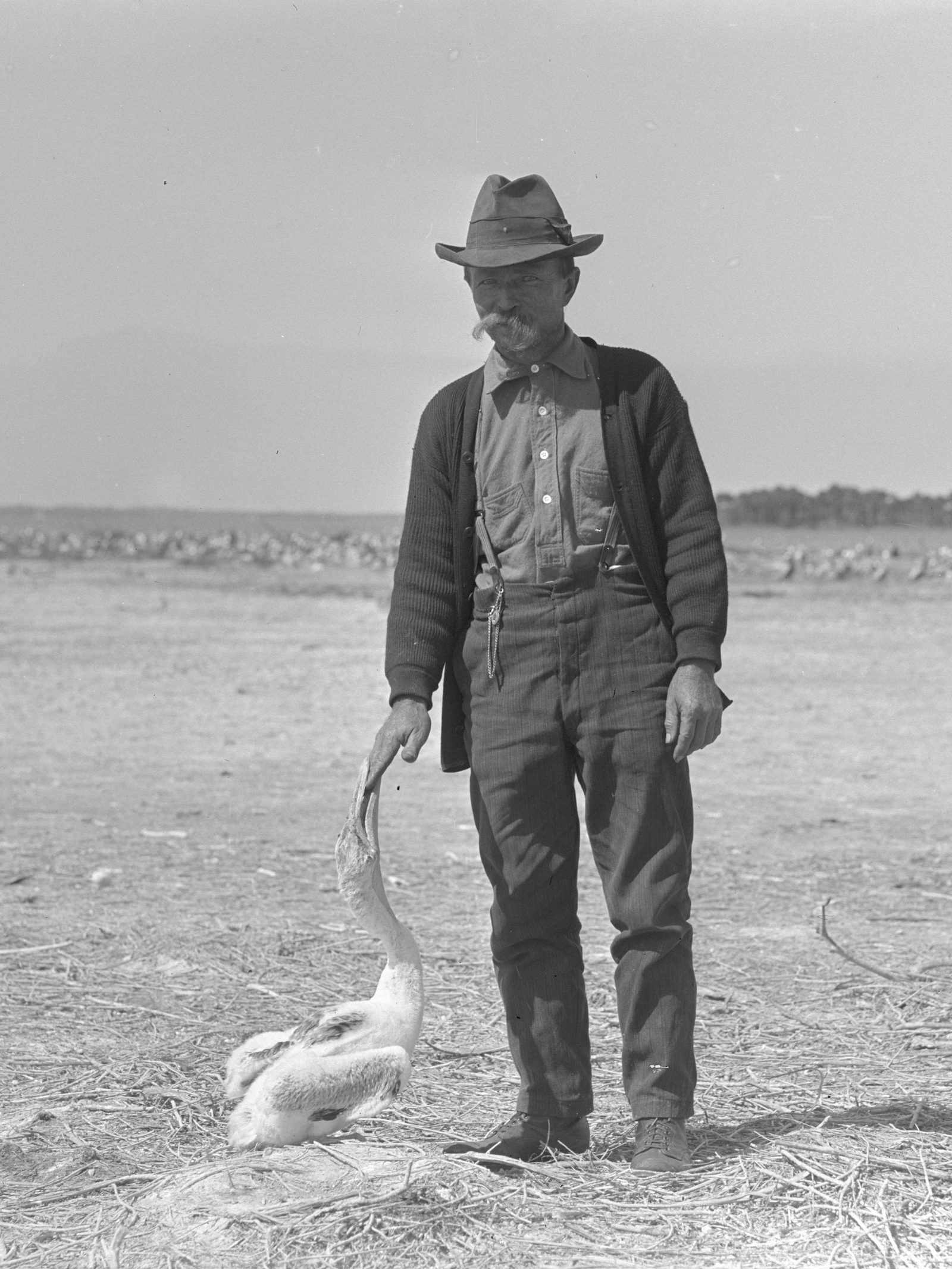
In 1903, a German immigrant named Paul Kroegel was appointed the first warden of Pelican Island, the nation’s first National Wildlife Refuge, at a salary of one dollar per month. Two years later, he became one of the five original commissioners of the newly created St. Lucie County. Kroegel helped build a county while protecting the pelicans that nested on the Indian River Lagoon.
St. Lucie County History · Settlement Era
Read the full story
Native History
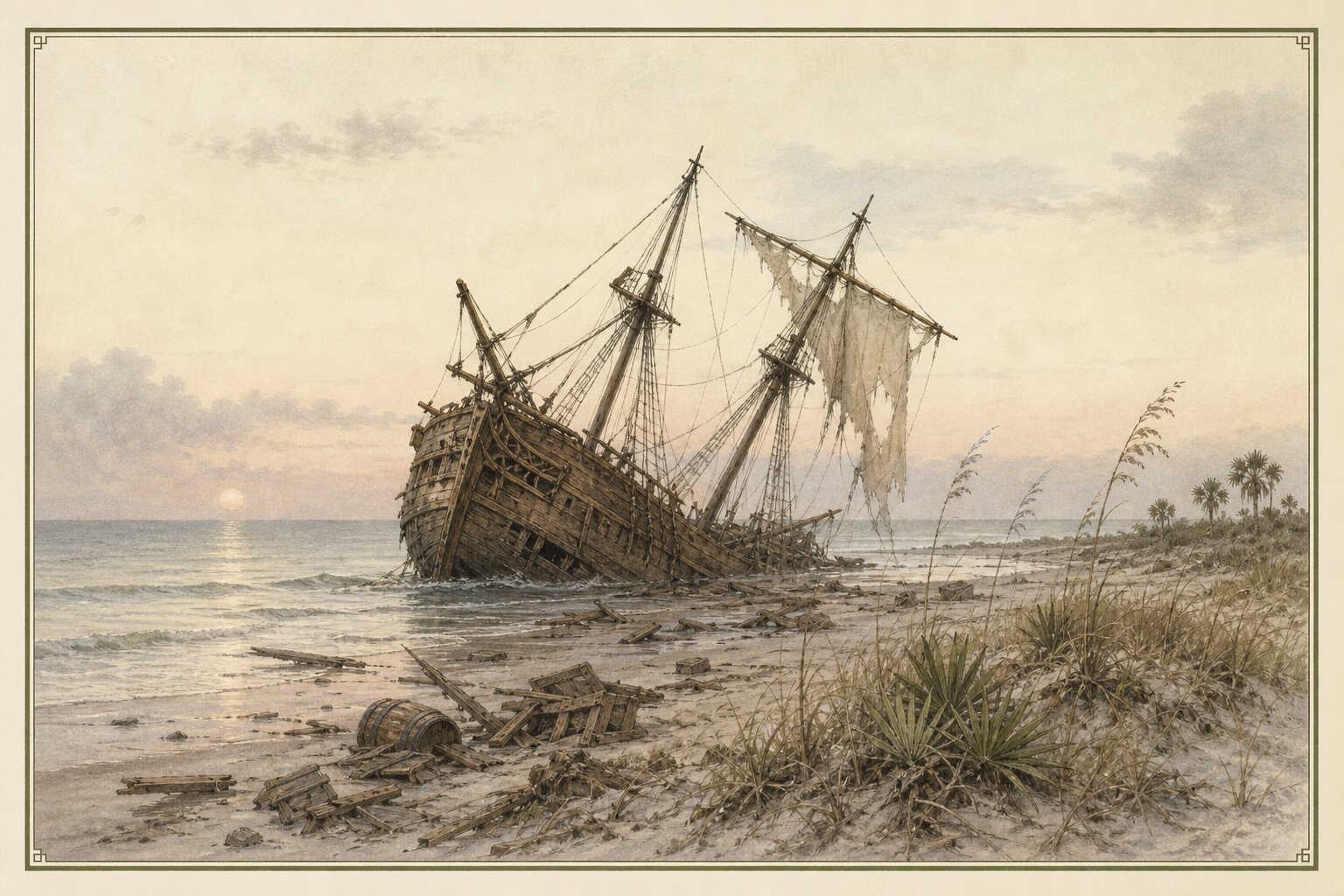
In September 1696 the barkentine Reformation went ashore near the Jupiter Inlet with some two dozen people aboard. The survivors walked and canoed north through Ais country to St. Augustine, and Jonathan Dickinson’s published journal of the ordeal became the fullest firsthand account of the people who ruled the St. Lucie coast.
Native History · Contact Era
Native History
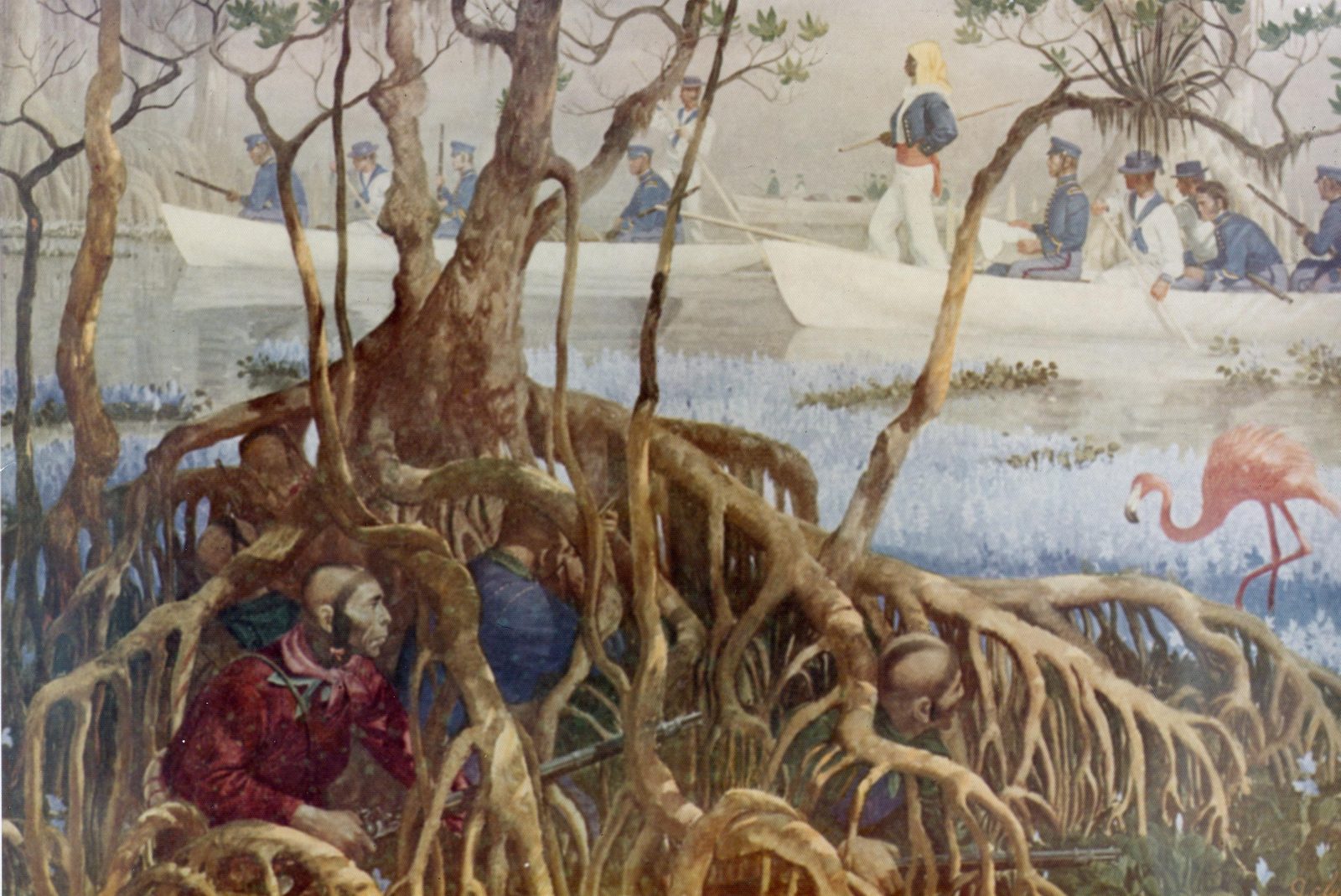
The Second Seminole War brought the United States Army to the Indian River coast in the late 1830s. A chain of military outposts, including the one that gave Fort Pierce its name, transformed the landscape and set the stage for permanent settlement of what would become St. Lucie County.
Native History · Military
Settlement
In 1905, the Florida Legislature carved St. Lucie County from the vast territory of Brevard County, giving the communities along the southern Indian River their own local government. The new county would itself be subdivided as the region grew, but the act of formation was a turning point in Treasure Coast history.
Settlement · Government
Settlement
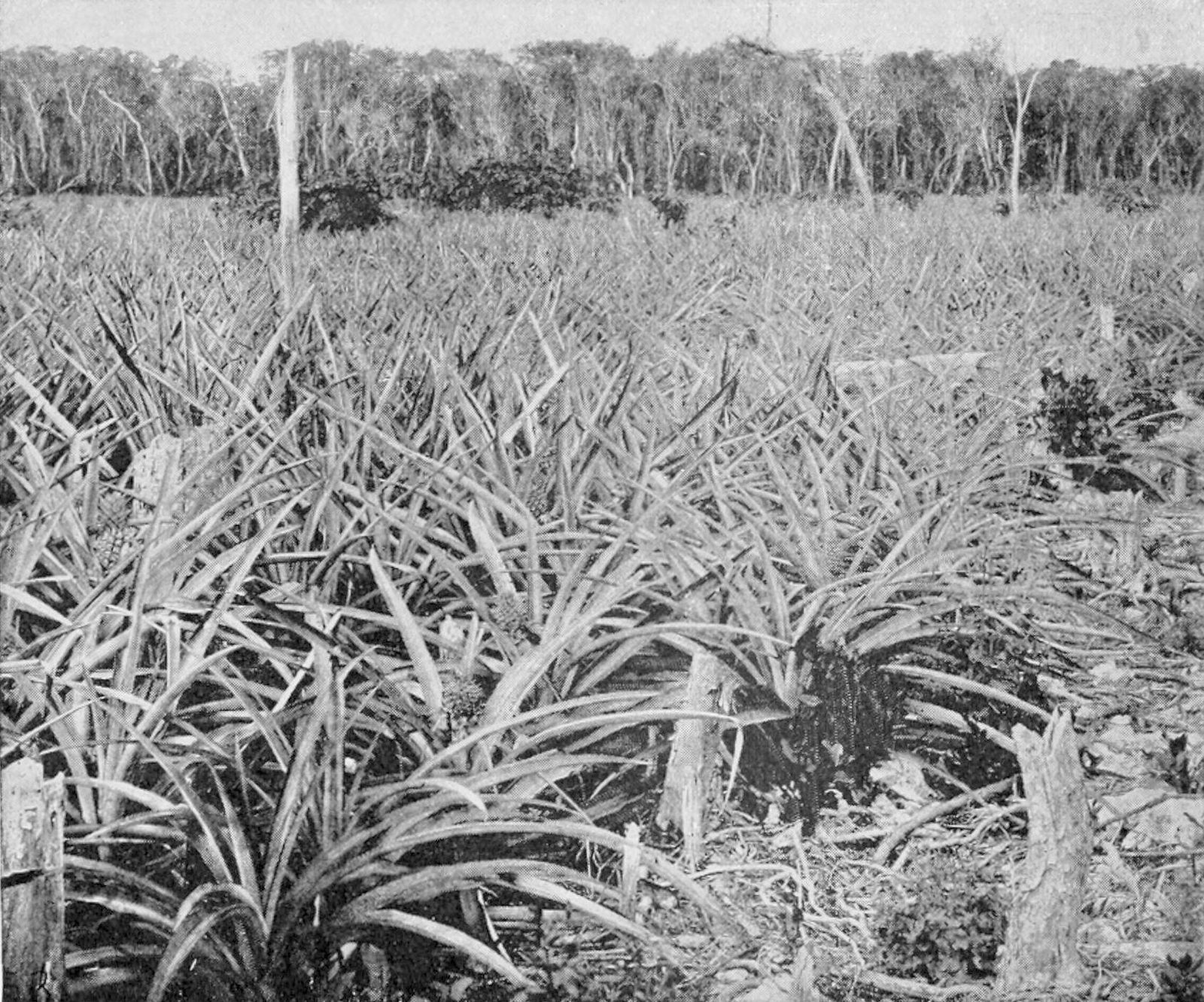
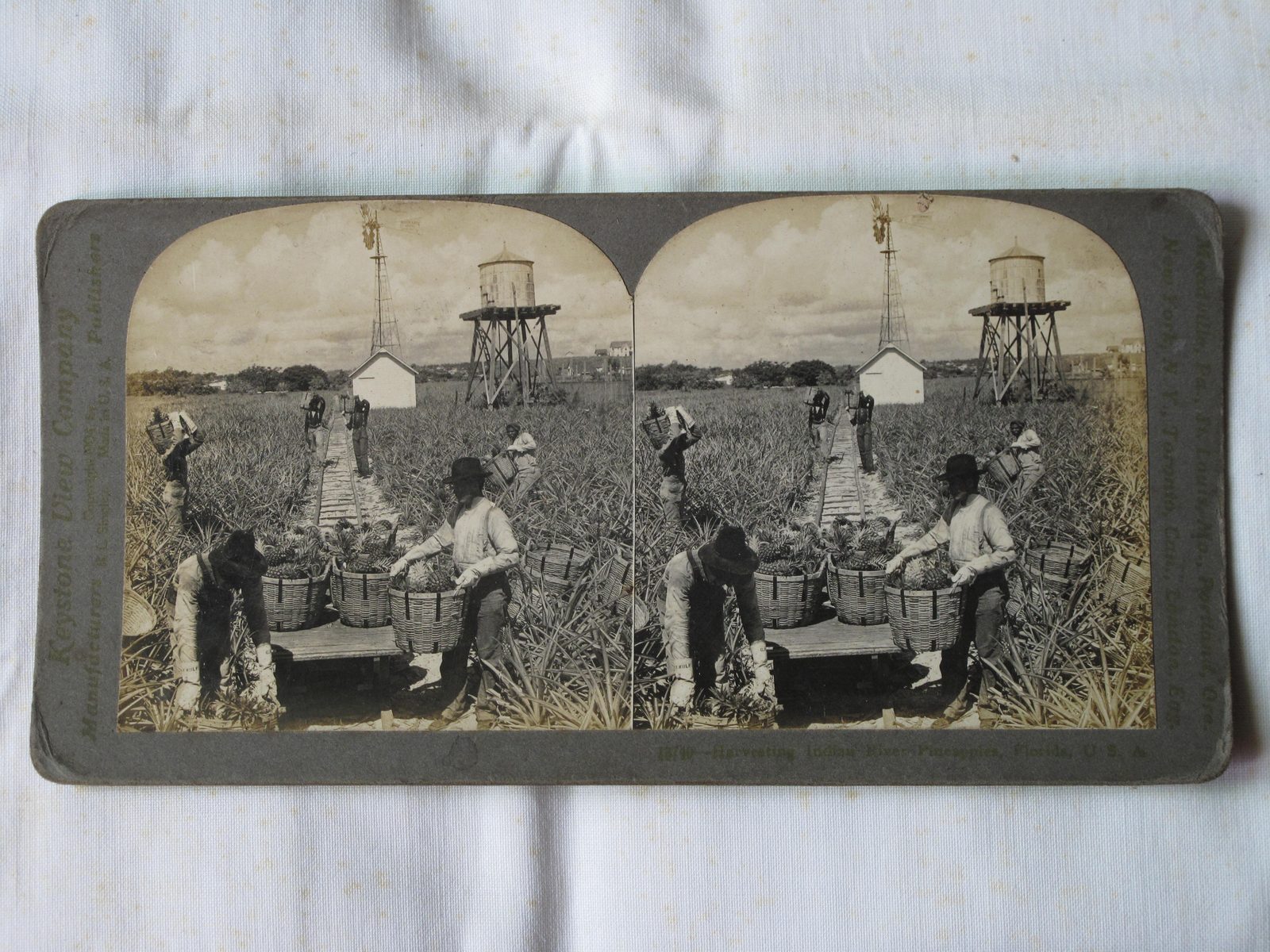
Before citrus became king, pineapples were the cash crop of Florida’s east coast. From the 1860s through the turn of the twentieth century, the Indian River region produced some of the finest pineapples in the world, attracting settlers and shaping the agricultural landscape of what would become St. Lucie County.
Settlement · Agriculture
Modern Era
In 1961, a tract of cattle ranch and scrubland in southern St. Lucie County was incorporated as the City of Port St. Lucie, a planned community developed by the General Development Corporation. What began as a speculative real estate venture has grown into one of the largest cities in Florida.
Modern Era · Development
St. Lucie County is a record of lives, from the Ais fishermen who read the tides of the Indian River to the citrus growers who read the sky for frost. Every acre of this land carries the memory of those who came before.
Modern Era
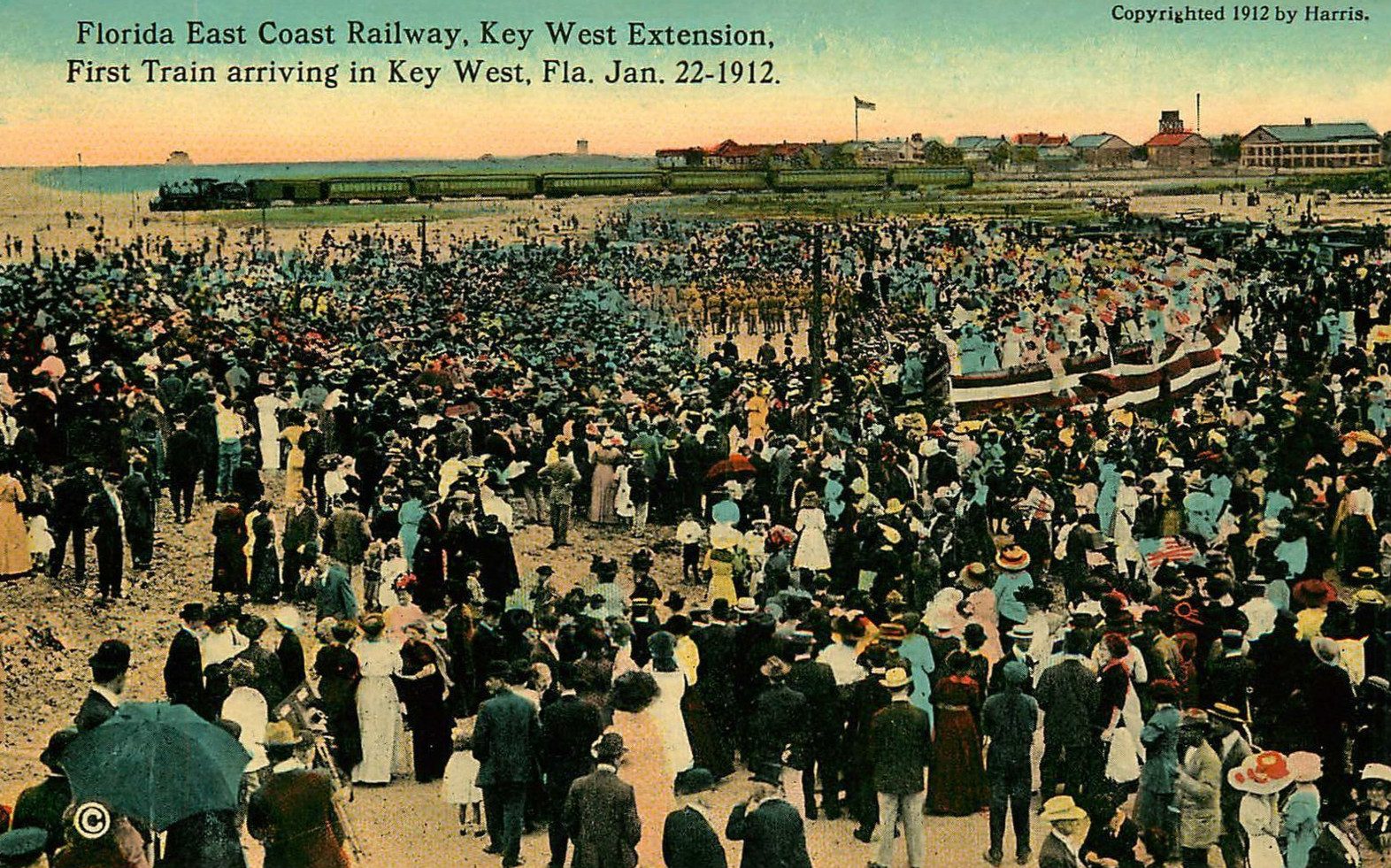
Henry Flagler’s railroad reached the Indian River in the 1890s, transforming isolated homesteads into connected communities and making the citrus industry commercially viable. The railway was the single greatest catalyst for growth in what would become St. Lucie County.
Modern Era · Transportation
Places
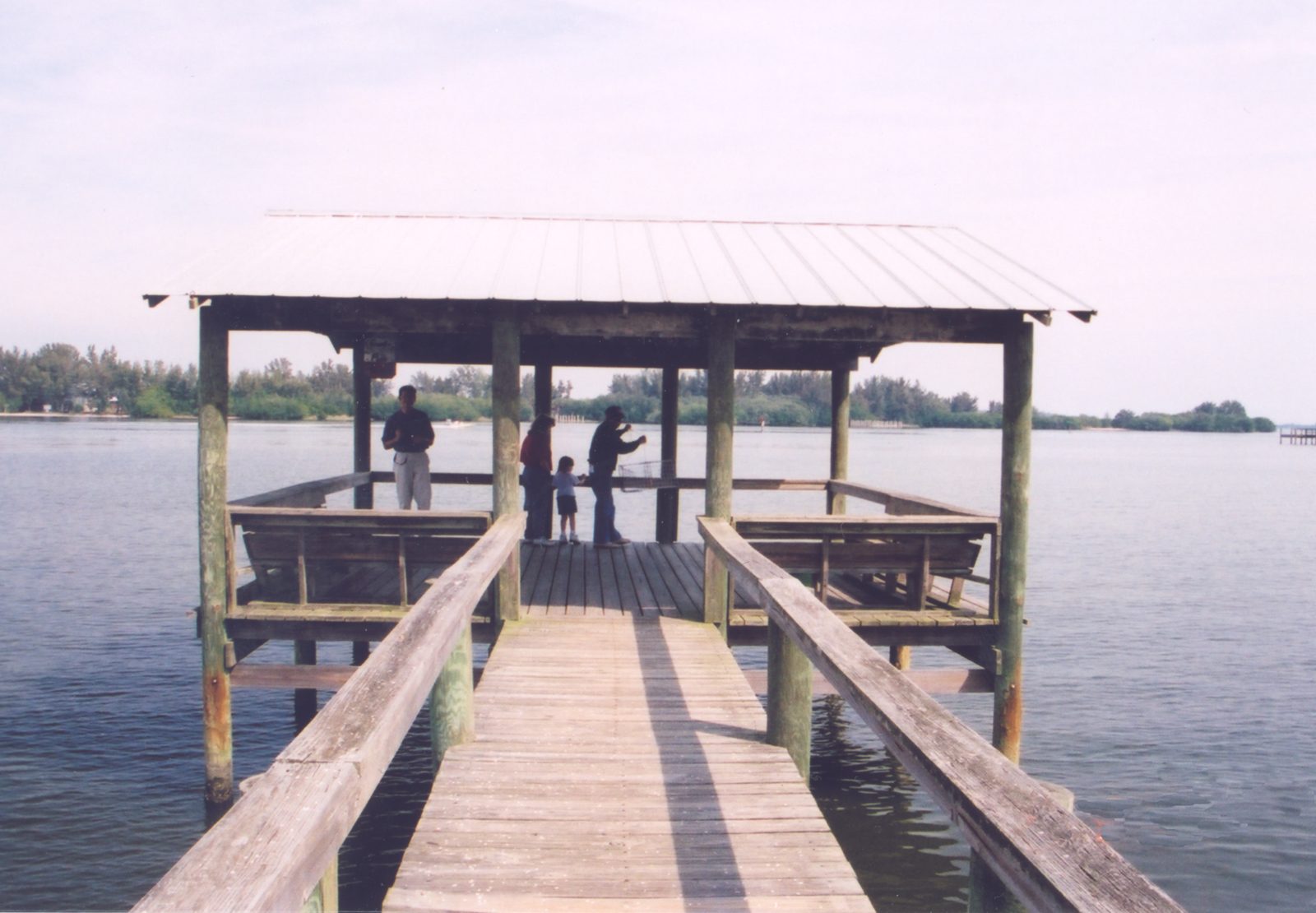
Stretching 156 miles along Florida’s east coast, the Indian River Lagoon is one of the most biodiverse estuaries in North America. St. Lucie County sits at its heart, and for millennia the lagoon has shaped every human community along its shores. Learn more about this vital ecosystem at Treasure Coast Ecosystems.
Places · Natural History
Places
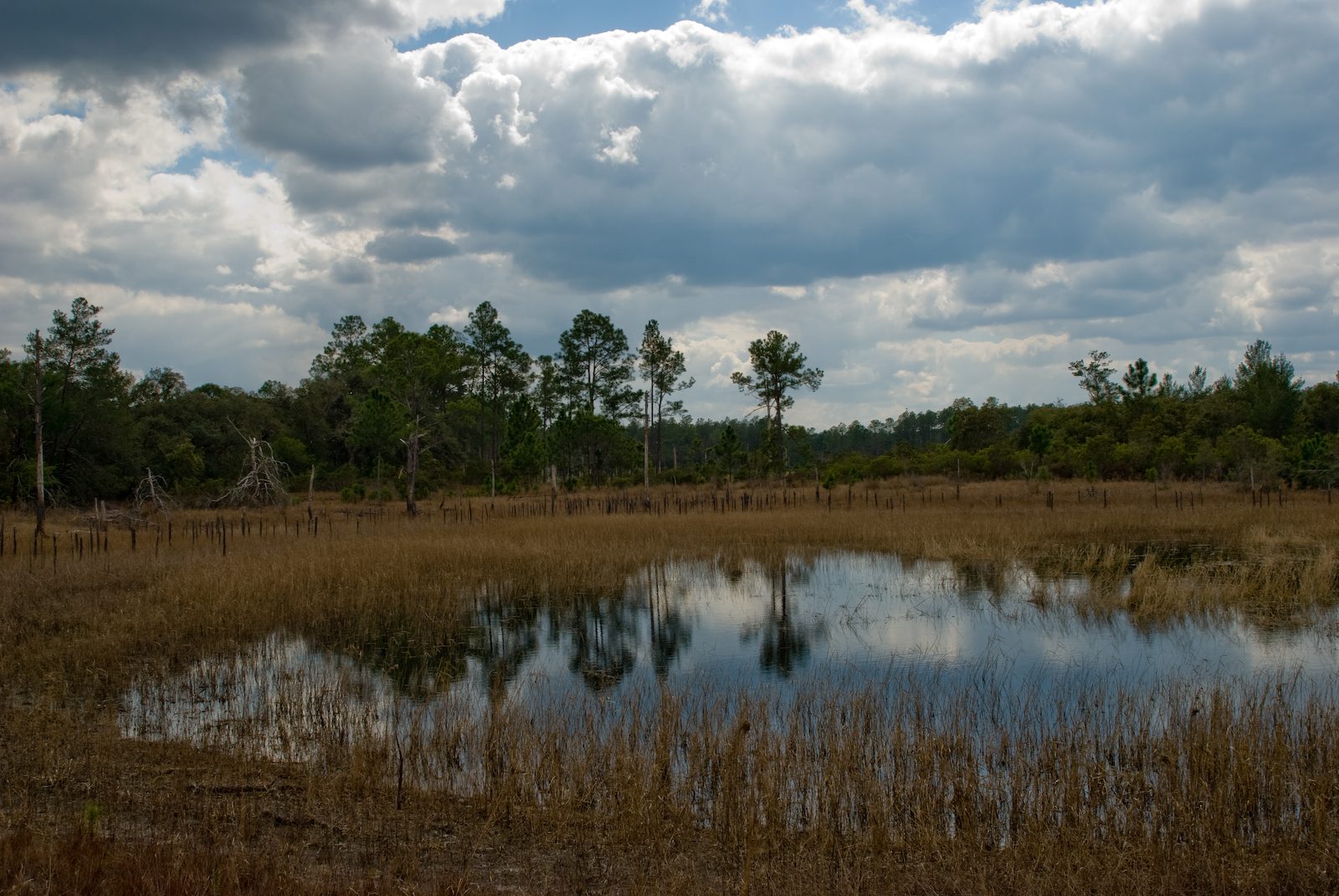
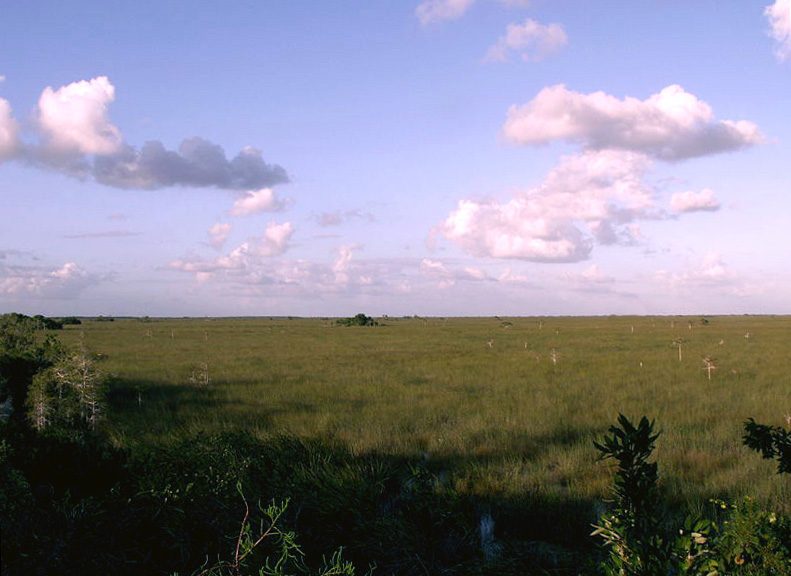
One of the last remaining freshwater marsh ecosystems on Florida’s east coast, the Savannas stretch through St. Lucie County as a living remnant of the landscape that existed before development. Home to rare plants and wildlife, the preserve is both a natural treasure and a window into the county’s ecological past.
Places · Conservation
Explore the full story of St. Lucie County
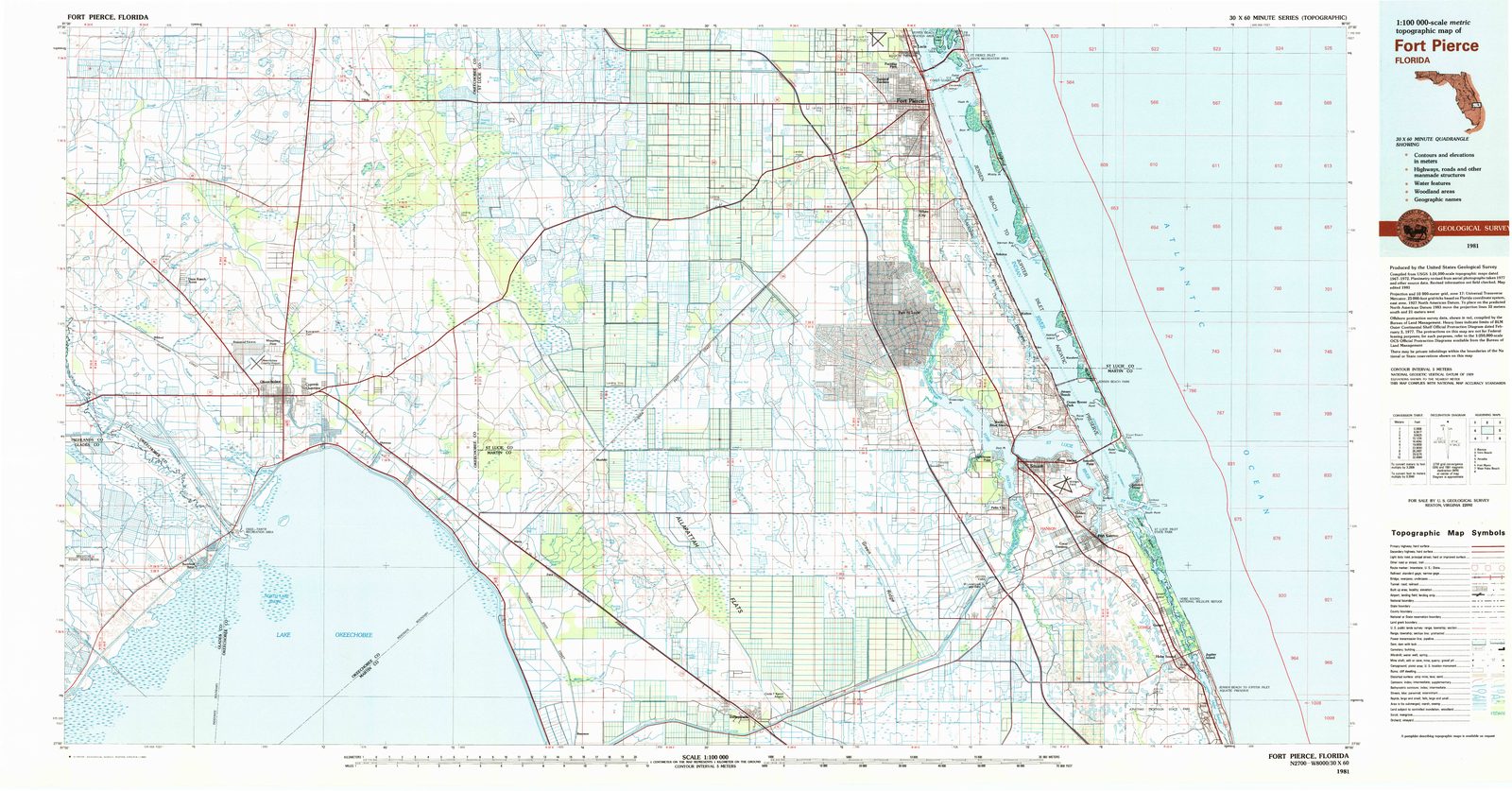
The St. Lucie Record is a growing collection of articles covering the history of St. Lucie County, Florida, from its earliest inhabitants to the modern era. Our county’s history spans the ancient Ais people, the Seminole Wars, the pineapple and citrus booms, the formation of the county in 1905, and the explosive growth of Port St. Lucie in the twentieth century.
Our sister publication, The Fort Pierce Annals, covers the history of Fort Pierce, St. Lucie County’s seat and largest historic city. For geological context, visit Florida Geology, and for the region’s natural systems, explore Treasure Coast Ecosystems.
Browse all articles