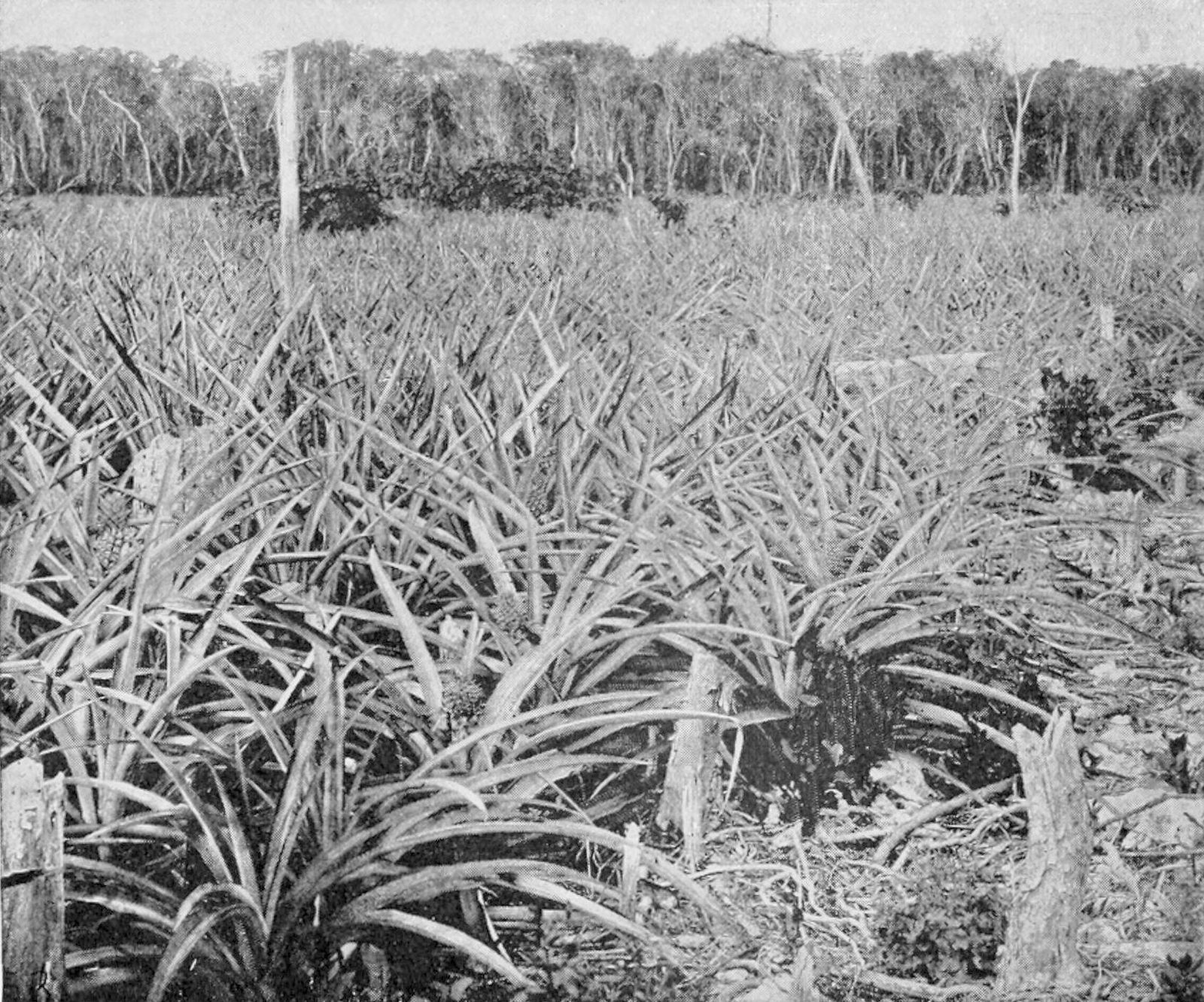
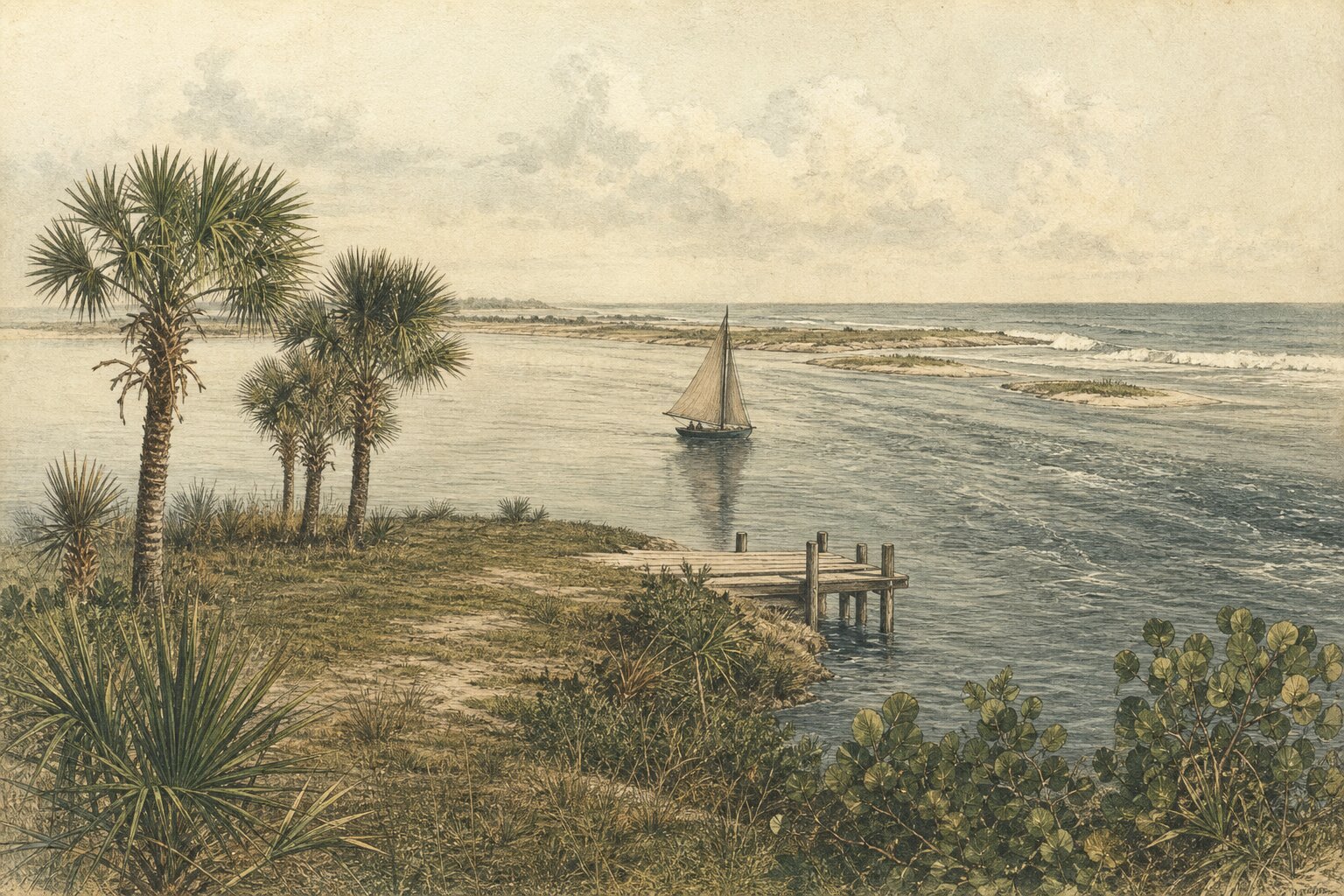
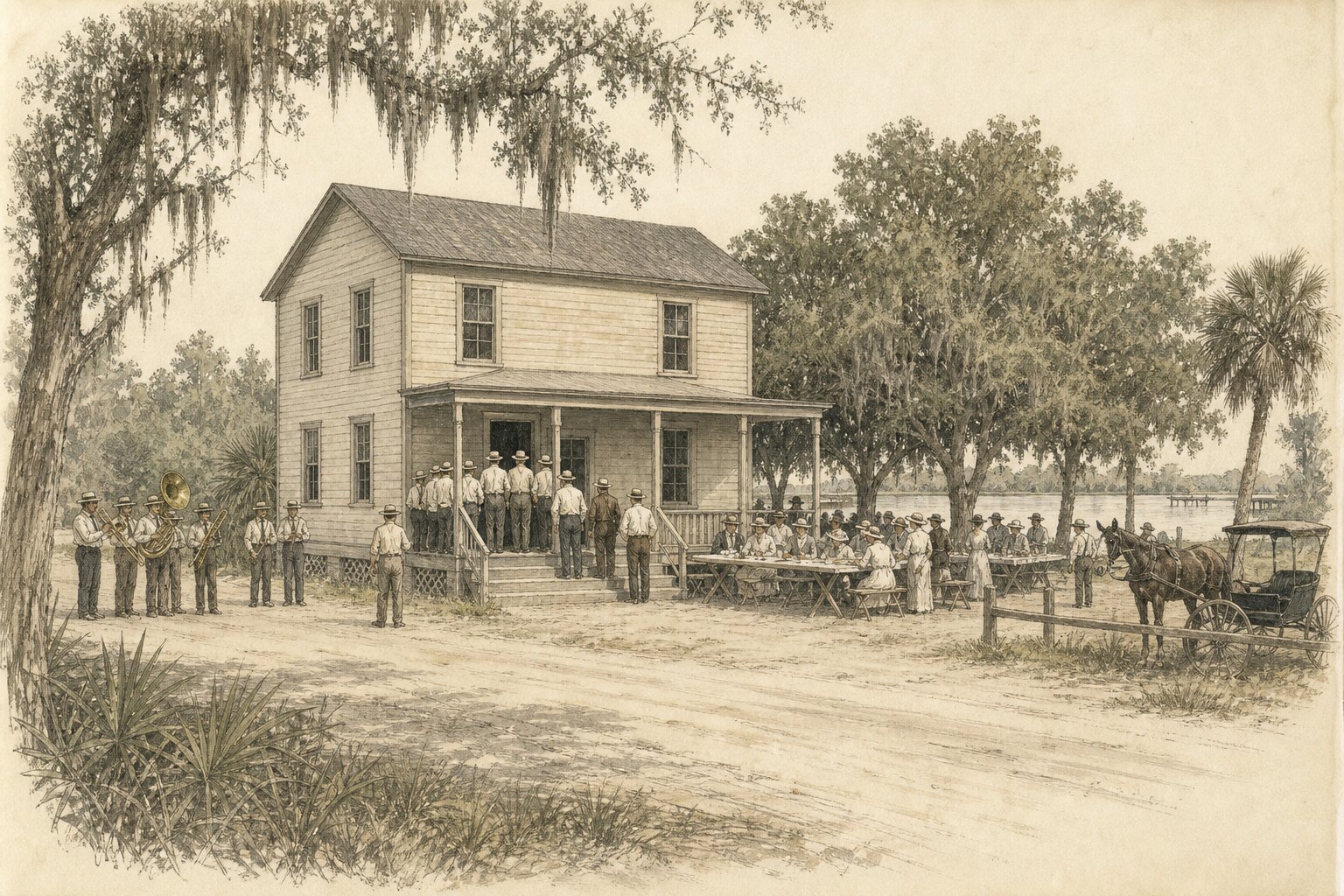
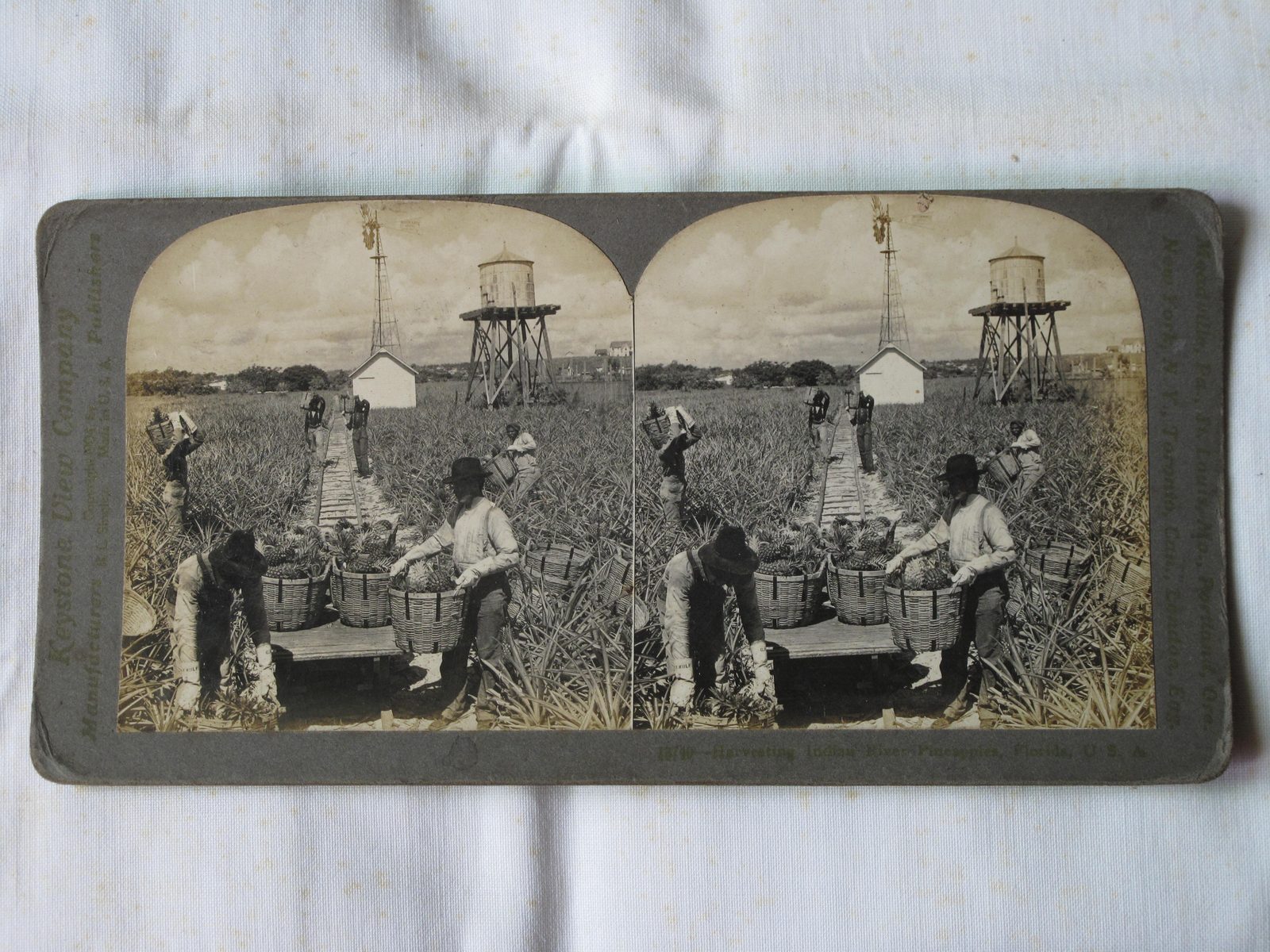
The first permanent European-American settlers arrived along the Indian River in the 1860s and 1870s, taking advantage of the Armed Occupation Act and subsequent homestead laws that offered free land to those willing to improve it. These early homesteaders faced a challenging environment: subtropical heat, insects, isolation, and the constant threat of hurricanes. But the Indian River offered abundant fish, and the sandy soils proved suitable for tropical and subtropical crops.
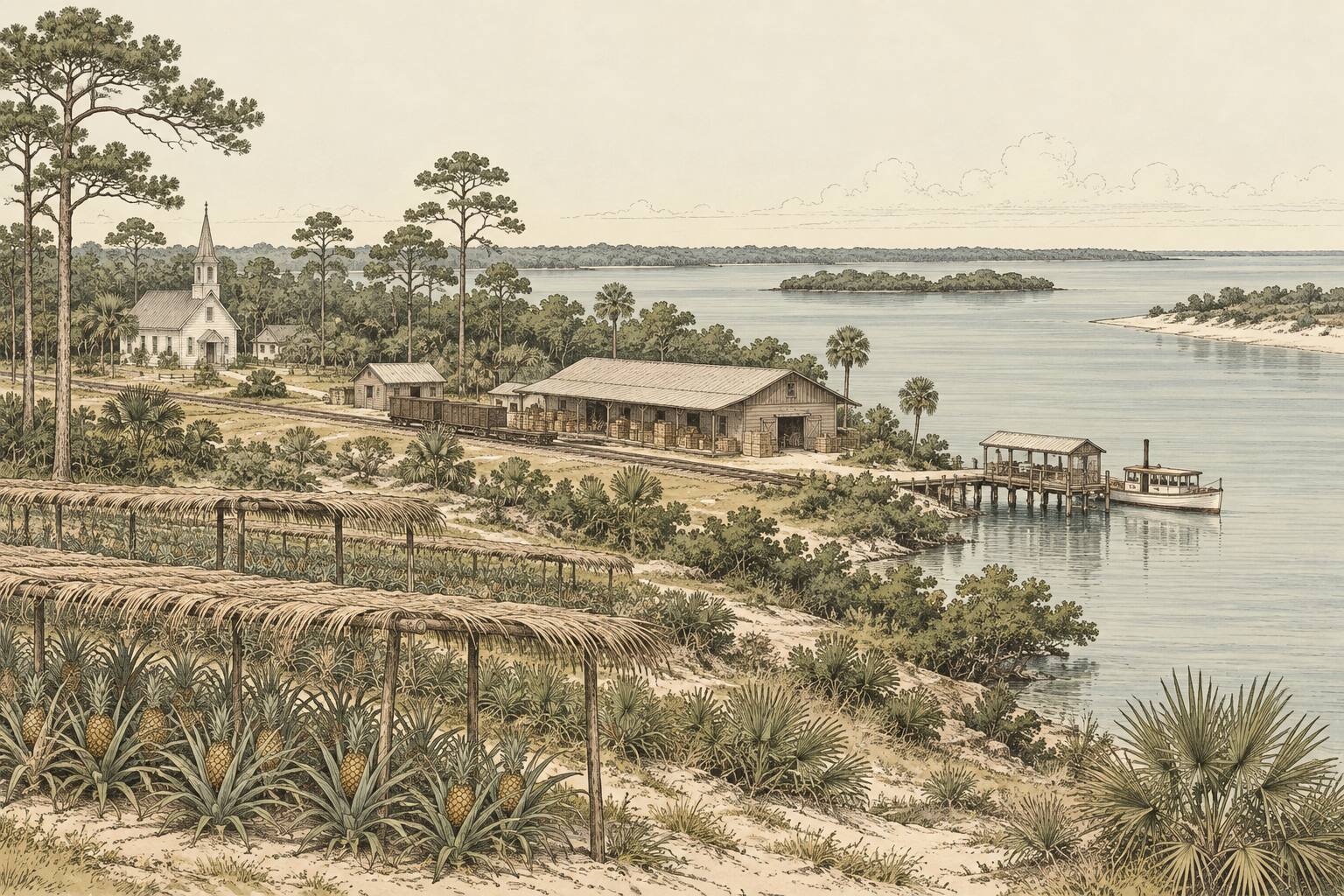
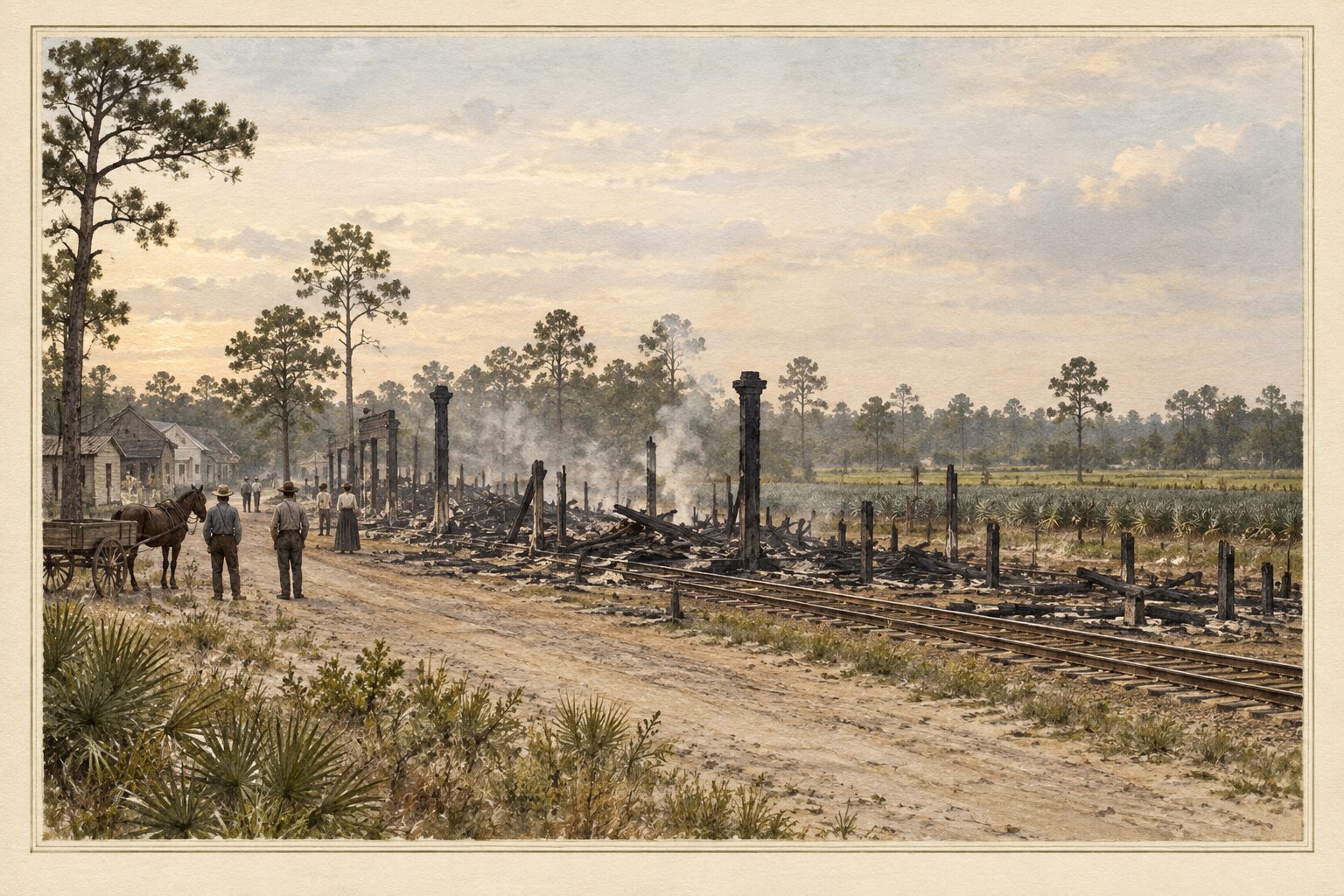
By the 1880s, small communities had formed along the river, connected to the outside world primarily by boat. The Indian River was the highway of the region, and sloops and steamboats carried passengers, mail, and cargo between settlements. The arrival of the Florida East Coast Railway in the 1890s transformed these isolated communities virtually overnight, providing reliable access to northern markets and sparking a wave of immigration and development.
The formation of St. Lucie County in 1905 reflected the growing population and economic maturity of these communities. Fort Pierce, the largest settlement, became the county seat and the commercial hub of the new county. In the decades that followed, the county would be subdivided further: Martin County was created from St. Lucie’s southern portion in 1925, and Indian River County was carved from its northern territory the same year.