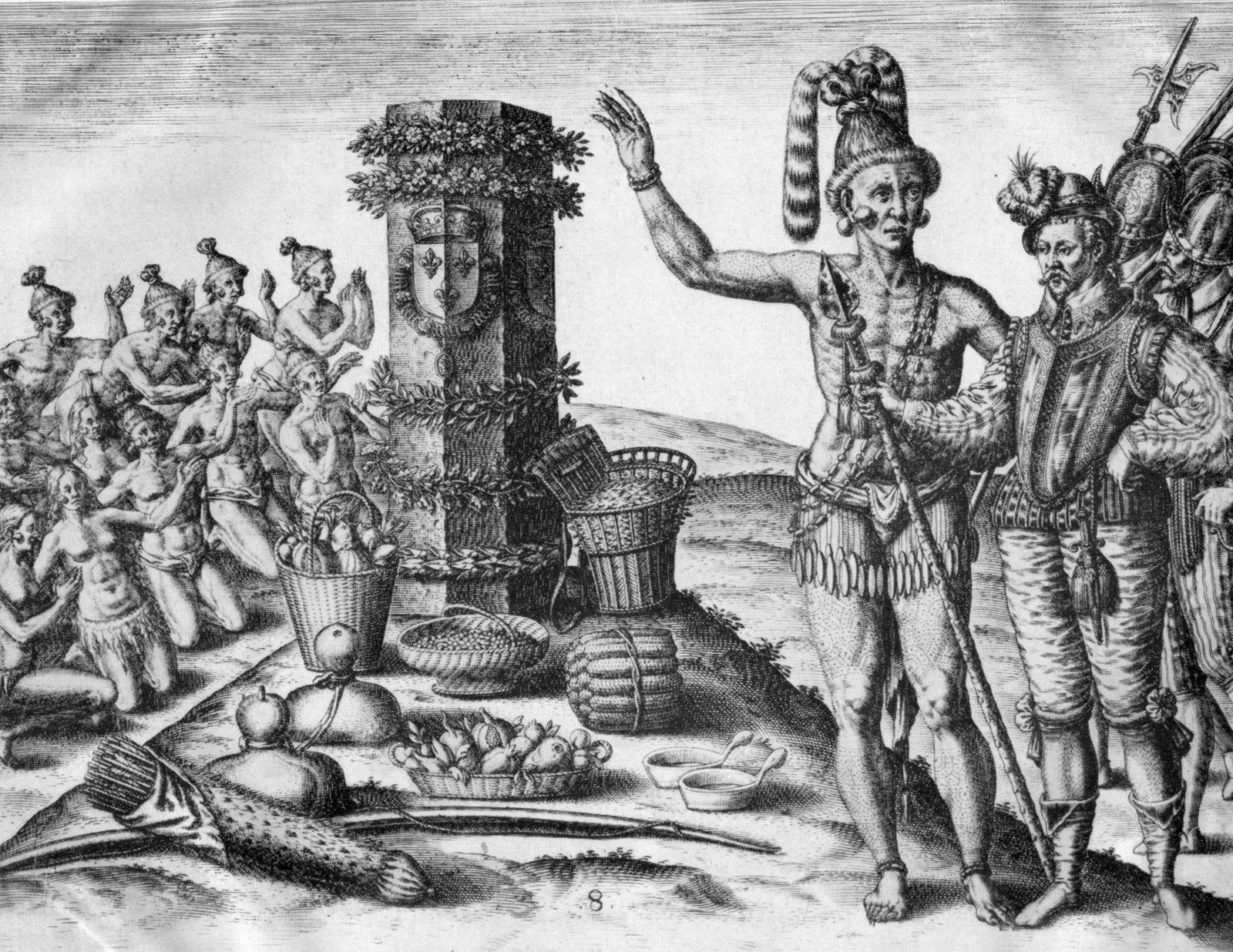
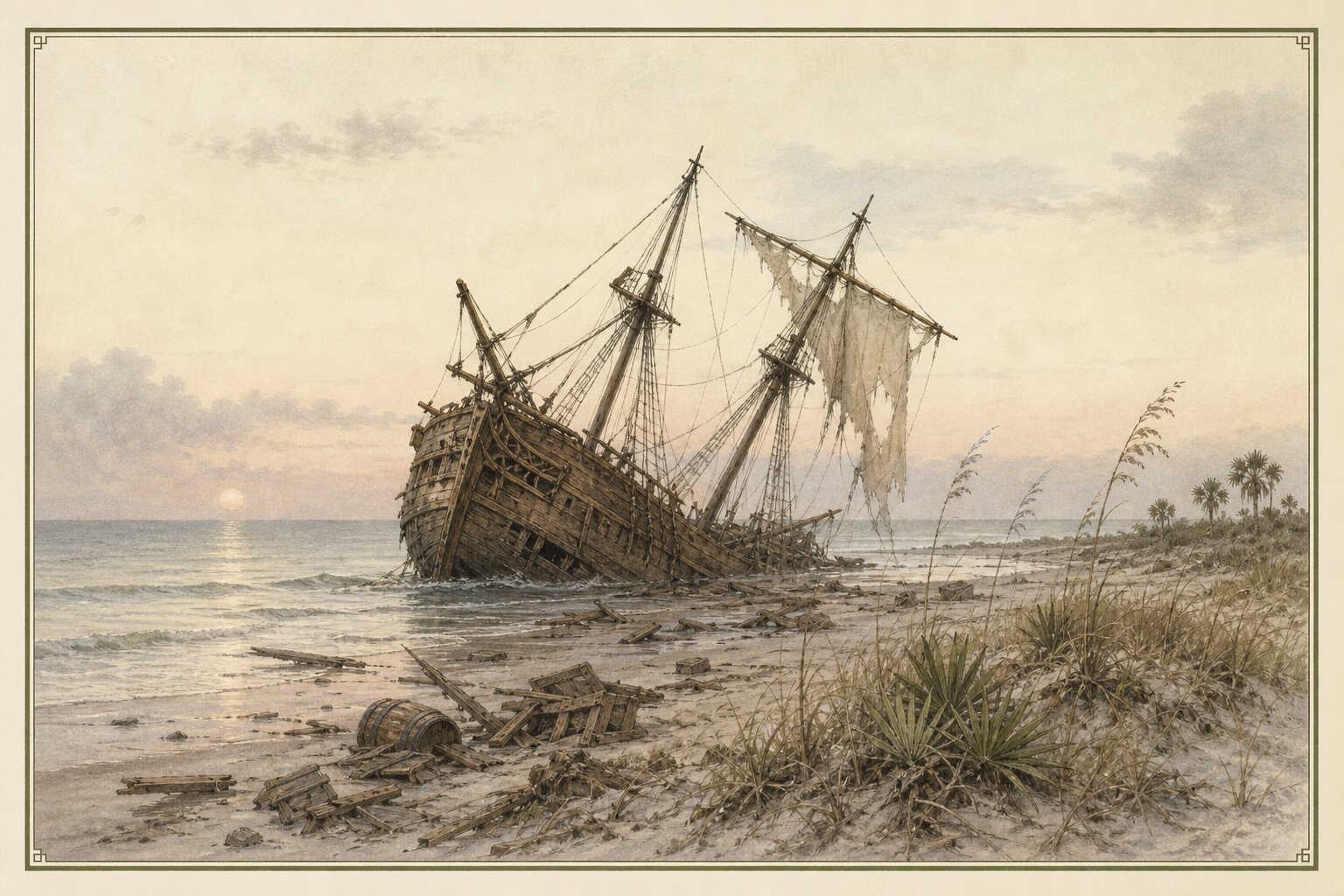
The native history of St. Lucie County encompasses far more than the events of the Seminole Wars, though those conflicts are the best documented chapter. Before the Ais, earlier Archaic-period peoples inhabited the region, though their material record is sparse. The arrival of Europeans in the sixteenth century set in motion a catastrophic decline for the Ais people, driven by disease, slave raiding, and the disruption of their traditional way of life. By the mid-eighteenth century, the Ais had effectively disappeared as a distinct people.
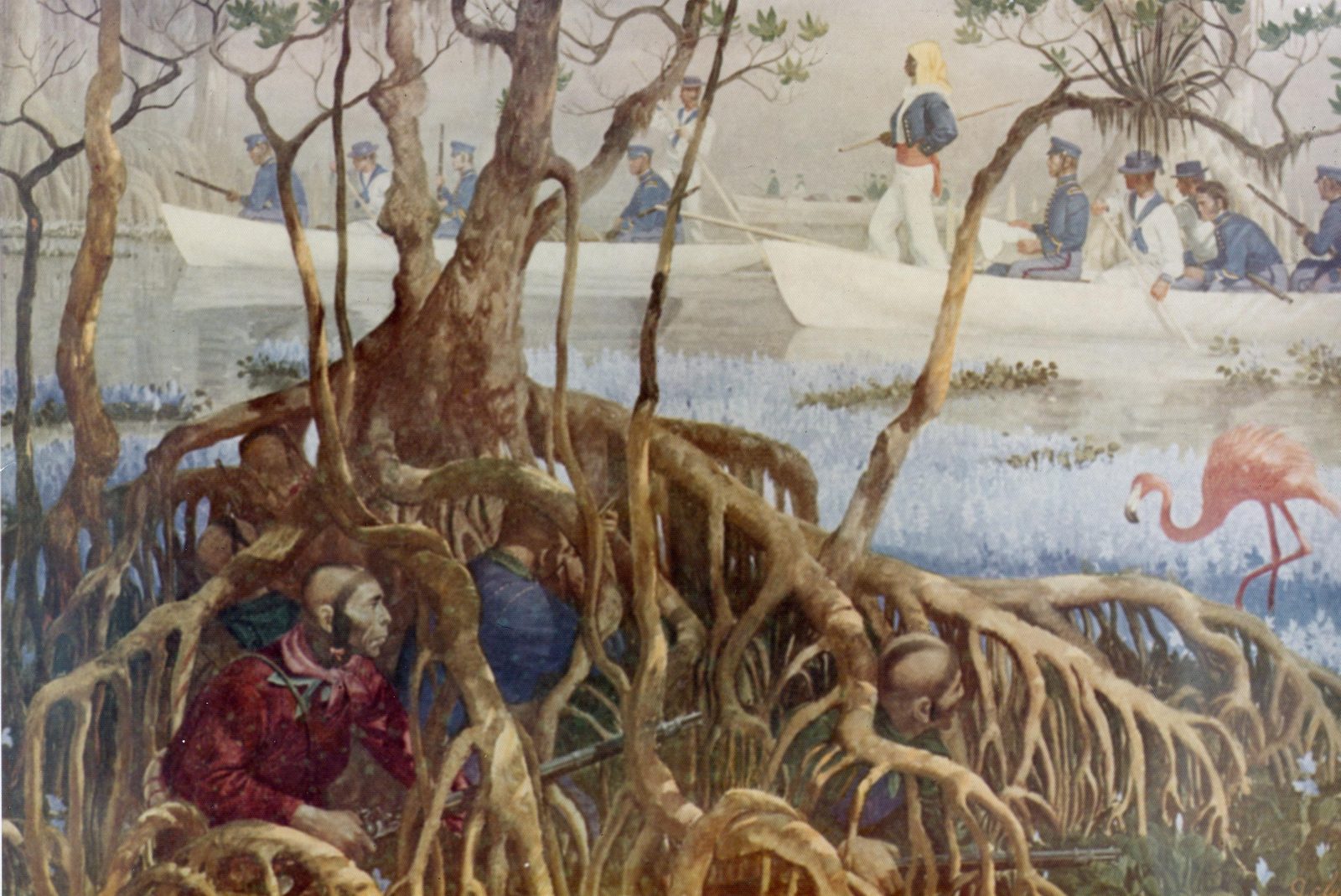
The Seminoles, a group formed from various displaced Native American peoples including Creek migrants from Georgia and Alabama, moved into the Florida peninsula in the eighteenth century. Their resistance to removal by the United States government resulted in three wars spanning four decades, from 1817 to 1858. The Second Seminole War was the most consequential for what would become St. Lucie County, as it established the military presence that led directly to permanent European-American settlement.
For more on the history of Fort Pierce itself, including the military outpost that gave the city its name, visit our sister publication The Fort Pierce Annals. To understand the broader ecological context of the Indian River Lagoon region that the Ais people called home, see Treasure Coast Ecosystems.