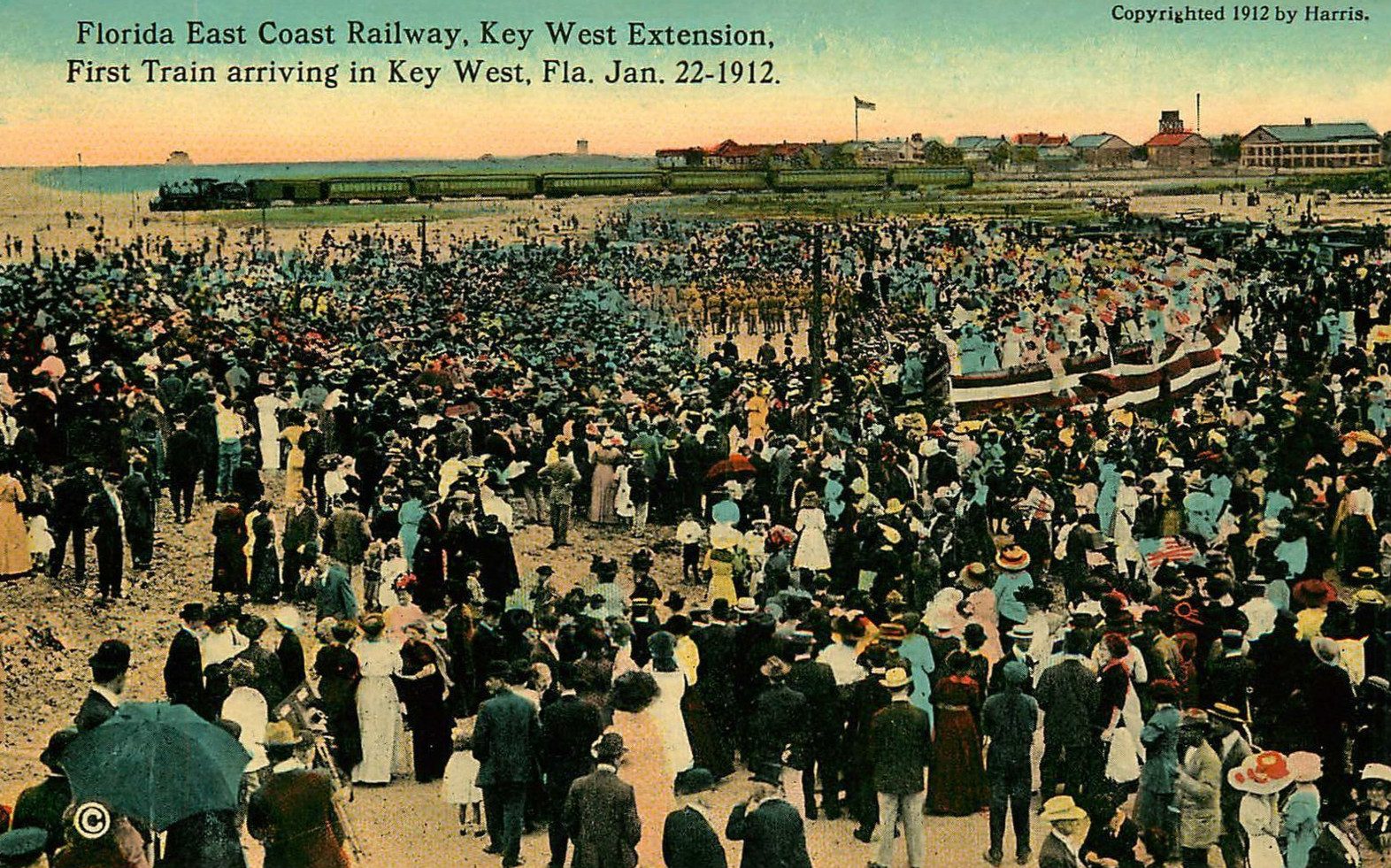
The story of St. Lucie County in the twentieth century is one of successive waves of growth and transformation. The Florida East Coast Railway arrived in the 1890s, and within a decade the region had grown enough to justify the creation of a separate county from Brevard in 1905. The citrus industry boomed in the 1910s and 1920s, making St. Lucie County one of the leading citrus producers in the state. For more on the citrus industry’s impact on the county seat, see The Fort Pierce Annals.
The devastating 1928 Okeechobee Hurricane struck the county with catastrophic force, followed by the Great Depression, which brought the Florida land boom to an abrupt end. World War II brought the Navy’s Underwater Demolition Team training to the beaches near Fort Pierce, injecting federal dollars and military personnel into the local economy.
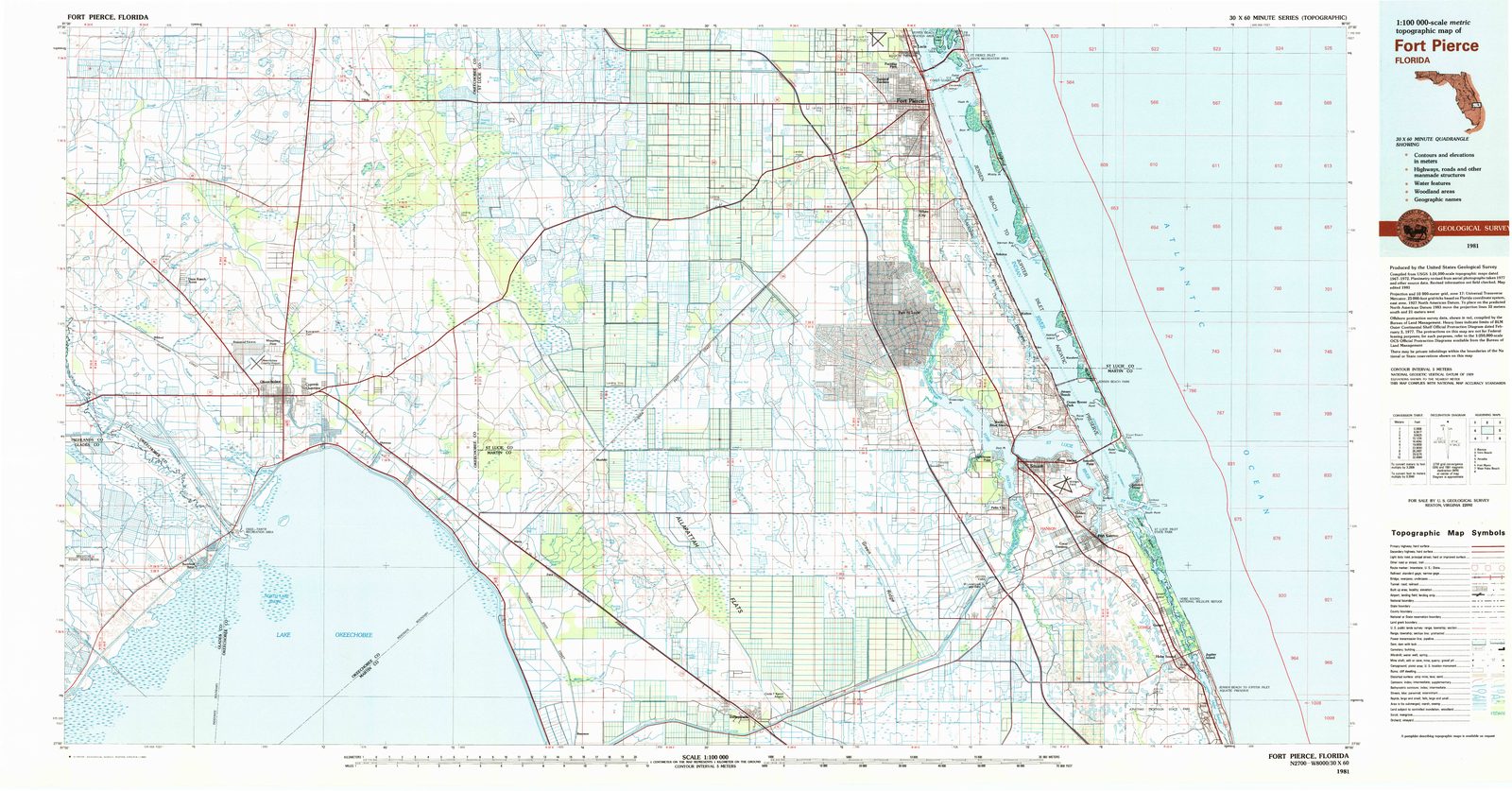
The postwar era brought the most dramatic transformation of all. The General Development Corporation’s creation of Port St. Lucie in 1961 initiated a pattern of large-scale residential development that would reshape the county’s demographics and economy. By the twenty-first century, Port St. Lucie had surpassed Fort Pierce in population, and St. Lucie County had evolved from a rural agricultural county into a major suburban region on Florida’s Treasure Coast.